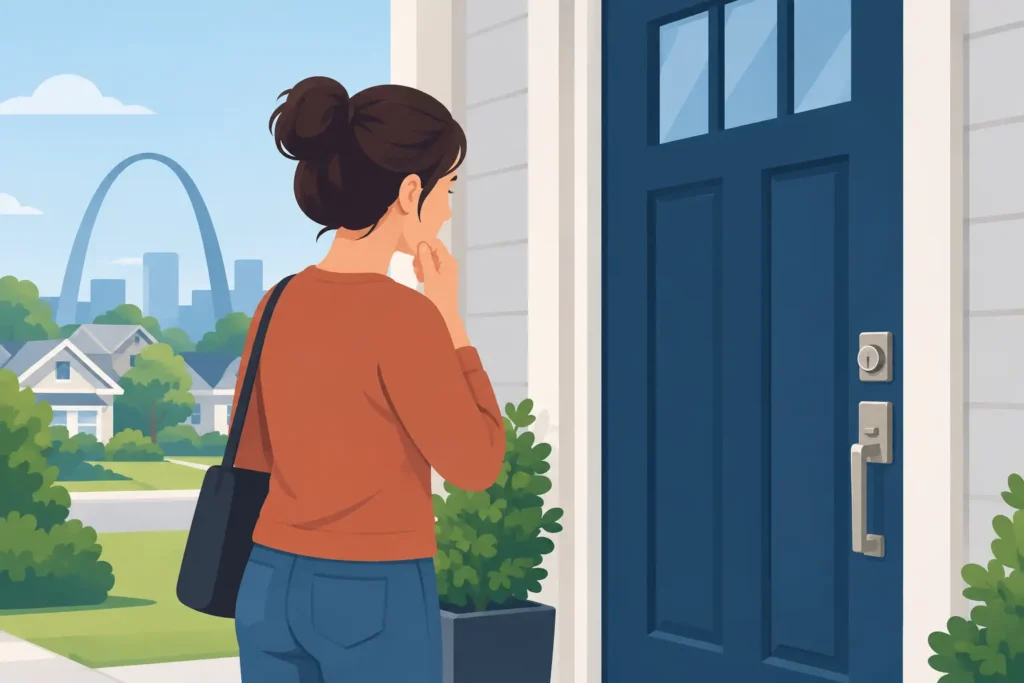
The closing date is over, the moving boxes are stacked in the garage, and you have keys in hand. But you do not know how many copies of those keys are still out there. Learning how to rekey locks after moving is one of the most practical first steps you can take to establish control of your new home’s security.
A previous owner may have given keys to relatives, neighbors, contractors, pet sitters, cleaners, or former tenants. Even if everyone involved acted in good faith, keys are easy to misplace and difficult to track. Rekeying gives you a fresh start without automatically requiring every lock and deadbolt to be replaced.
How to Rekey Locks After Moving: Start With an Inventory
Before changing anything, walk the property and make a simple record of every exterior entry point. Include the front, back, side, garage-to-house, basement, patio, and any detached garage or shed doors. Check doors that may be easy to overlook, such as a service entrance behind the home or a door from the garage into a finished lower level.
Note the lock type on each door. Most homes have a keyed knob or lever paired with a deadbolt, while others may have a handleset, mortise lock, keypad deadbolt, smart lock, or a lock that uses a restricted keyway. Look for signs of wear as well: a key that sticks, a deadbolt that needs force to turn, loose hardware, or a door that does not latch cleanly can point to a problem beyond the key itself.
This inspection helps distinguish between locks that can simply be rekeyed and doors that need repair, adjustment, or replacement. A good lock is only part of the system. If the strike plate is loose or the door is out of alignment, even a new key will not solve the underlying issue.
What Rekeying Actually Changes
A traditional pin-tumbler lock contains a cylinder with small internal pins. Those pins are arranged to match the cuts on a specific key. Rekeying changes the pin combination inside the cylinder so the old key no longer operates the lock and a new key does.
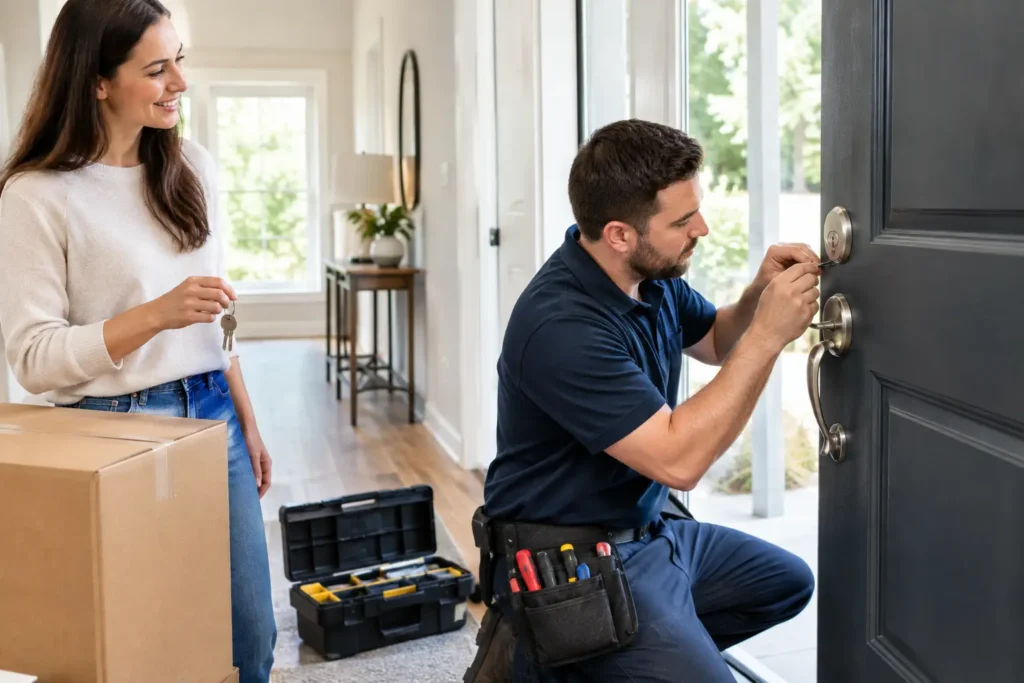
The lock hardware generally remains on the door. That is the main advantage: when the deadbolt or lever is in sound condition, rekeying is often less disruptive and more cost-effective than replacing it. A locksmith can usually complete the work on-site and provide newly cut keys before leaving.
Rekeying is not the same as copying a key. Making copies gives more people access to the existing lock. Rekeying cancels the old key pattern altogether.
For many homeowners, it also creates a chance to reduce key clutter. If compatible locks are installed on several exterior doors, they may be rekeyed to operate with one key. That convenience depends on the lock brands, keyways, and condition of the existing hardware. Some combinations can be matched; others cannot without changing cylinders or hardware.
Decide Whether Rekeying or Replacing Is the Better Choice
Rekeying is a strong option when the lock is reasonably new, functions properly, and provides the level of security you want. It is particularly sensible after a routine home purchase, a tenant turnover, or when keys may have been shared without a record of who still has them.
Replacement may be the better choice if the existing lock is damaged, corroded, low quality, or difficult to operate. It can also make sense when the door has no deadbolt, the deadbolt has an inadequate bolt throw, or the hardware does not fit the way your household uses the entry. A new homeowner may prefer a keyed deadbolt on one entrance and a smart lock or keypad on another.
Consider the condition of the door and frame at the same time. A strong new deadbolt mounted to a weak strike plate or short screws in a soft frame leaves a security gap. A professional locksmith can assess the complete door setup and recommend practical improvements rather than replacing hardware that still has useful life.
Smart locks deserve a separate check after moving. Resetting the app or changing an access code is necessary, but it may not be enough if the previous owner still has physical backup keys. Depending on the model, the mechanical cylinder can often be rekeyed, replaced, or managed separately. Remove old user codes, connect the lock to your own account, and confirm that any emergency override key is under your control.
Can You Rekey a Lock Yourself?
A homeowner can rekey certain common residential locks with the correct rekey kit, existing keyway information, and basic mechanical confidence. However, the process is more exact than it appears. The cylinder must be removed correctly, pins must be selected and placed in the proper order, and the lock must be reassembled and tested without damaging small internal components.
A mistake can leave a lock unreliable or inoperative while the door is closed. It is also easy to buy a kit that does not match the keyway or cylinder in your lock. For a single basic lock, a careful do-it-yourself approach may be reasonable. For a whole house, mixed brands, high-security cylinders, smart locks, or locks with existing wear, professional rekeying is usually the cleaner choice.
Renters should also check their lease before changing lock hardware or cylinders. In many cases, a landlord or property manager needs to approve the work, retain an emergency key, or arrange rekeying between occupants. If you manage rental property, rekeying between tenants is a straightforward way to protect both residents and the property without replacing serviceable hardware at every turnover.
A Professional Rekeying Visit: What to Expect
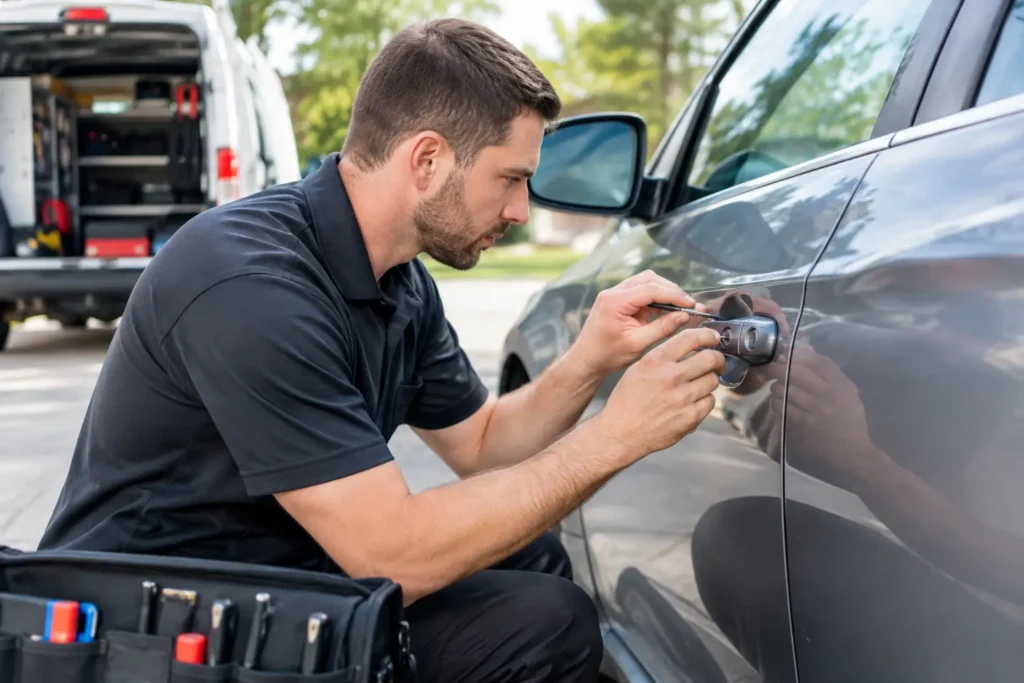
A mobile locksmith brings the tools and keying materials to the property, so you do not need to remove locks and take them to a shop. The visit typically begins with an assessment of the doors, lock types, and the number of keys you need. You can discuss whether you want all compatible exterior doors keyed alike, separate keys for certain entrances, or a security upgrade on a particular door.
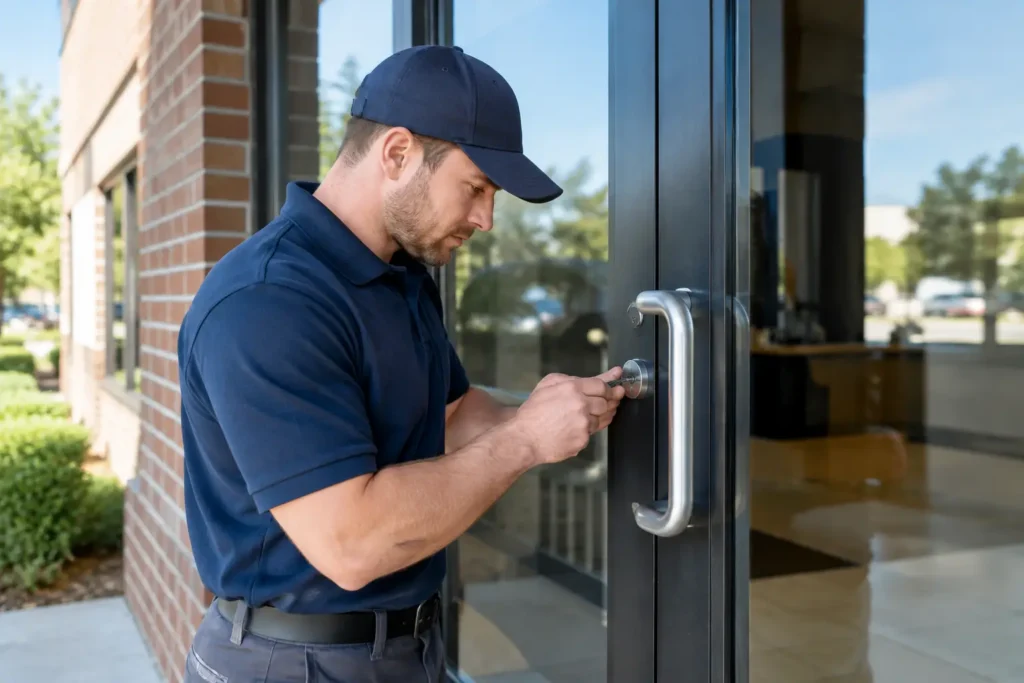
The locksmith will verify that each lock operates correctly, rekey the cylinders that are suitable for service, and test the new keys from both sides of the door. If a lock is worn or a door needs adjustment, that should be explained clearly before additional work is performed. Transparent expectations matter, especially when you have just taken on the many expenses that come with a move.
For homes in Ballwin, Chesterfield, Wildwood, Town and Country, Des Peres, Kirkwood, Fenton, Manchester, Valley Park, Eureka, Pacific, Washington, Creve Coeur, and Ladue, Locks R Us Locksmith provides mobile rekeying and residential lock service directly at the property. The same approach is useful for landlords, property managers, and businesses changing access after staffing or occupancy changes.
Do Not Forget These Access Points
Exterior doors are the priority, but a move is a good time to account for other ways into the property. Garage remotes, keypad codes, gate locks, mailbox keys, shed keys, and interior doors that protect an office, storage room, or utility area may all need attention. If the home has a security system, camera account, or smart garage controller, transfer ownership and change passwords as part of the same project.
Keep the new keys organized from the beginning. Give copies only to people who need them, label spare keys discreetly, and avoid leaving a house key hidden in an obvious location outdoors. If you need a trusted emergency backup, choose a plan that fits your household rather than relying on a key that may sit unnoticed for years.
Moving into a new place comes with enough unknowns. Rekeying the locks lets you remove one of the most avoidable ones and start enjoying the home with access that is clearly yours.