A locked business door can stop a normal workday before it starts. An employee may be waiting outside before an opening shift, a manager may be unable to reach office files, or a delivery may be held up at a warehouse entrance. For a business lockout in Wildwood, Missouri, the priority is getting the right people back inside without damaging the door, lock, frame, or the security of the property.
Commercial lockouts are different from a misplaced house key. Businesses often have multiple entry points, restricted areas, alarm systems, employee schedules, and doors equipped with closers, panic hardware, or electronic access controls. The right response depends on the door and the reason access was lost.
What to Do During a Business Lockout in Wildwood, Missouri
Start by confirming that no authorized person has another approved way to enter. A facilities manager, property manager, owner, or designated keyholder may have access to a different entrance or a secured spare key. If the building uses electronic credentials, make sure the issue is not a dead fob battery, an access-control outage, or an expired employee credential.
Avoid forcing the door, prying at the frame, or attempting to bypass a lock with improvised tools. These actions can turn a lockout into a door repair, compromise the building’s security, and create a safety concern for employees or customers. Commercial aluminum storefront doors, steel service doors, and fire-rated doors can be especially expensive to damage.
If authorized access is not available, contact a professional mobile commercial locksmith. Be ready to explain the business location in Wildwood, the type of entrance involved, whether anyone is inside, and whether the door has a panic bar, keypad, card reader, or other specialized hardware. Clear information helps the locksmith arrive prepared and helps set honest expectations about the service needed.
Keep safety and authorization first
A locksmith should verify that the person requesting entry is authorized to access the property. That may mean checking photo identification, business credentials, lease documentation, or contacting an owner or property manager. While this can feel like an extra step when the business needs to open, it protects the company from unauthorized entry.
If someone may be locked inside, there is a medical emergency, or a fire or other immediate threat exists, contact emergency services first. Locksmith service is appropriate for access problems, but it should not delay a response to a life-safety emergency.
Why Commercial Lockouts Need Careful Entry
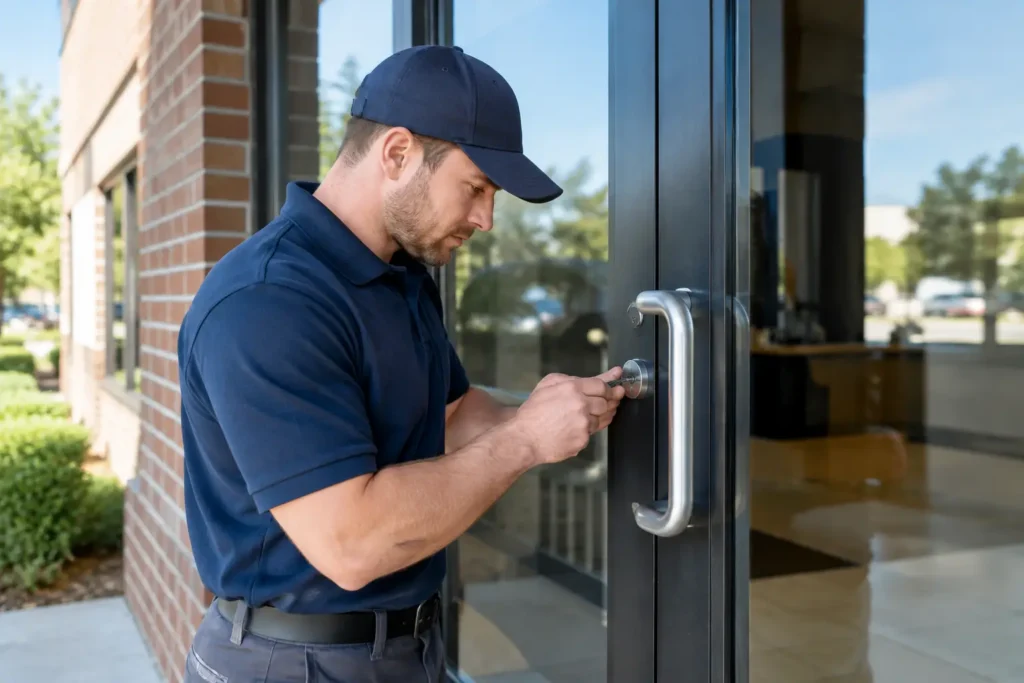
The fastest-looking method is not always the best method. A qualified locksmith evaluates the lock, door, and hardware before choosing an entry technique. In many cases, careful non-destructive entry may be possible. In others, a failed lock cylinder, broken key, damaged latch, or malfunctioning electronic device may require repair or replacement after access is restored.
That distinction matters. A door that opens after a key is lost may not need new hardware. A door that will not open because the lock has failed may need more than a new key. The goal is to solve the immediate access issue while identifying whether the same failure could leave the business locked out again tomorrow.
Commercial doors also have components that work together. A misaligned door closer can put pressure on a latch. A sagging hinge can prevent a deadbolt from operating correctly. A damaged panic bar may interfere with both security and safe exit. Treating only the visible symptom can leave the underlying problem in place.
Common Causes of Commercial Lockouts
Lost or stolen keys remain a common cause, particularly when staff turnover, shift changes, contractors, and multiple locations are involved. A key left with a former employee is not always a lockout at the moment, but it is still an access-control concern that should be addressed.
Broken keys are another issue. Older keys can wear down, bend, or break in the cylinder. Repeatedly using a key that catches or requires force is a warning sign. The key may be worn, the lock may need service, or the door may be out of alignment.
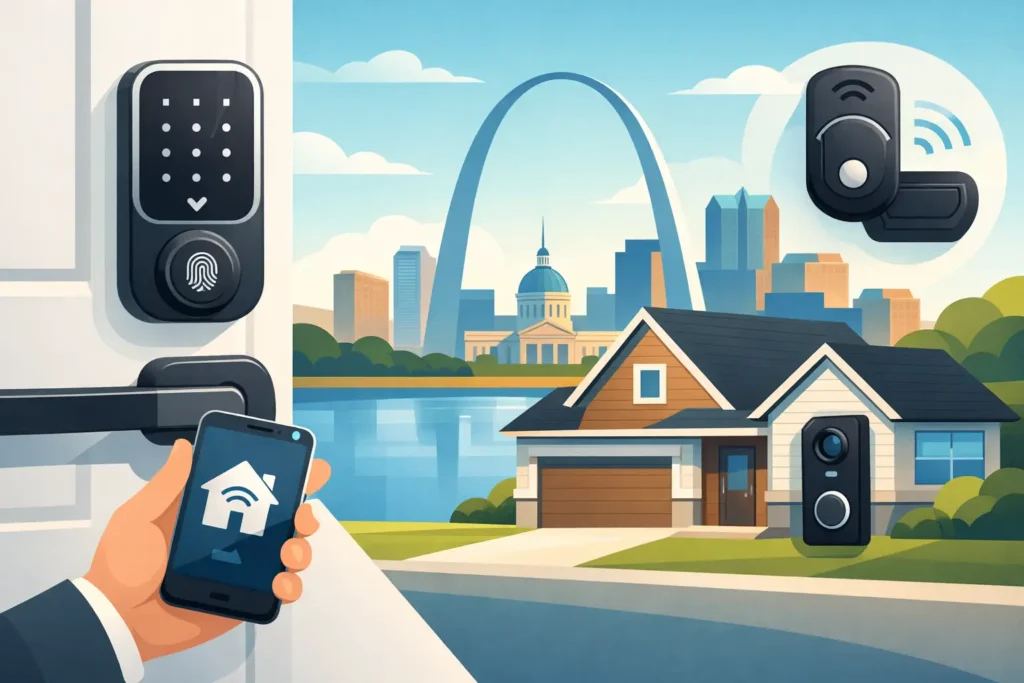
Electronic access systems create a different set of problems. A credential can stop working, a keypad code may be changed incorrectly, or a battery-powered smart lock can lose power. These systems offer useful control, but they should have a documented backup plan for managers and authorized staff.
Sometimes the problem is as simple as a door that was secured behind an employee who did not have a key. Other times, it is a mechanical failure that has been developing for weeks. A locksmith can help distinguish between the two and recommend practical next steps without pushing unnecessary replacements.
After Entry: Decide Whether Rekeying Is Needed
Once the building is accessible, consider why the lockout occurred. If a key was simply left inside and is now accounted for, no security change may be necessary. If keys were lost in public, stolen, or retained by someone who should no longer have access, rekeying is often the sensible response.
Rekeying changes the internal configuration of a compatible lock so old keys no longer work. It is usually more cost-conscious than replacing every lock when the existing hardware is in good condition. It can be a practical choice after employee turnover, a tenant change, a lost master key, or uncertainty about how many copies of a key are in circulation.
Replacement may make more sense when the hardware is worn, damaged, not suited to the door, or unable to provide the level of security the business needs. A local retail shop may need a dependable commercial-grade deadbolt and storefront hardware. A medical office may need tighter key control and restricted access to records areas. A warehouse may need durable exterior hardware, controlled access points, and reliable panic devices for exit doors.
Preventing the Next Lockout
The best prevention plan is not always the most complicated one. For a small Wildwood business, a clearly managed spare-key procedure and two designated keyholders may be enough. For a larger operation with several departments, a master key system or electronic access control may offer better oversight.
A useful plan should account for who can enter, which areas they can enter, and what happens when a keyholder is unavailable. Keep a current list of authorized contacts, especially if a property manager, owner, and on-site manager all have different responsibilities. Review that list after staff changes rather than waiting for a problem.
Consider these four practical measures:
- Issue keys intentionally and maintain a record of who has them.
- Rekey promptly after lost keys, turnover, or a change in occupancy.
- Have commercial doors checked when latches stick, keys bind, or closers slam.
- Store emergency access information securely and make sure authorized managers know the procedure.
Electronic locks and credential systems can reduce the need to recover physical keys from former employees, but they require battery checks, code management, and a backup entry plan. Traditional keyed locks are familiar and dependable, but key copies can be harder to track. The better option depends on the property, the number of users, the level of security required, and the daily demands placed on the door.
Commercial Locksmith Service Across West St. Louis County
Businesses in Wildwood often work across the surrounding communities, with staff, vendors, and properties in Ballwin, Chesterfield, Town and Country, Manchester, Eureka, Valley Park, and beyond. A mobile locksmith service is valuable because the equipment and professional help come to the business location rather than requiring someone to remove hardware or leave the site unattended.
Locks R Us Locksmith provides on-site commercial locksmith service throughout Wildwood and West St. Louis County. That can include help with lockouts, rekeying, lock repair and replacement, master key systems, panic bars, door closers, and other commercial door hardware. Clear communication matters throughout the process: what is causing the access problem, what work is recommended, and what to expect before work begins.
A business lockout is disruptive, but it can also reveal a weak spot in the property’s key control or door hardware. Once access is restored, take a few minutes to address the reason it happened. That small step can protect the next opening shift from the same interruption.